



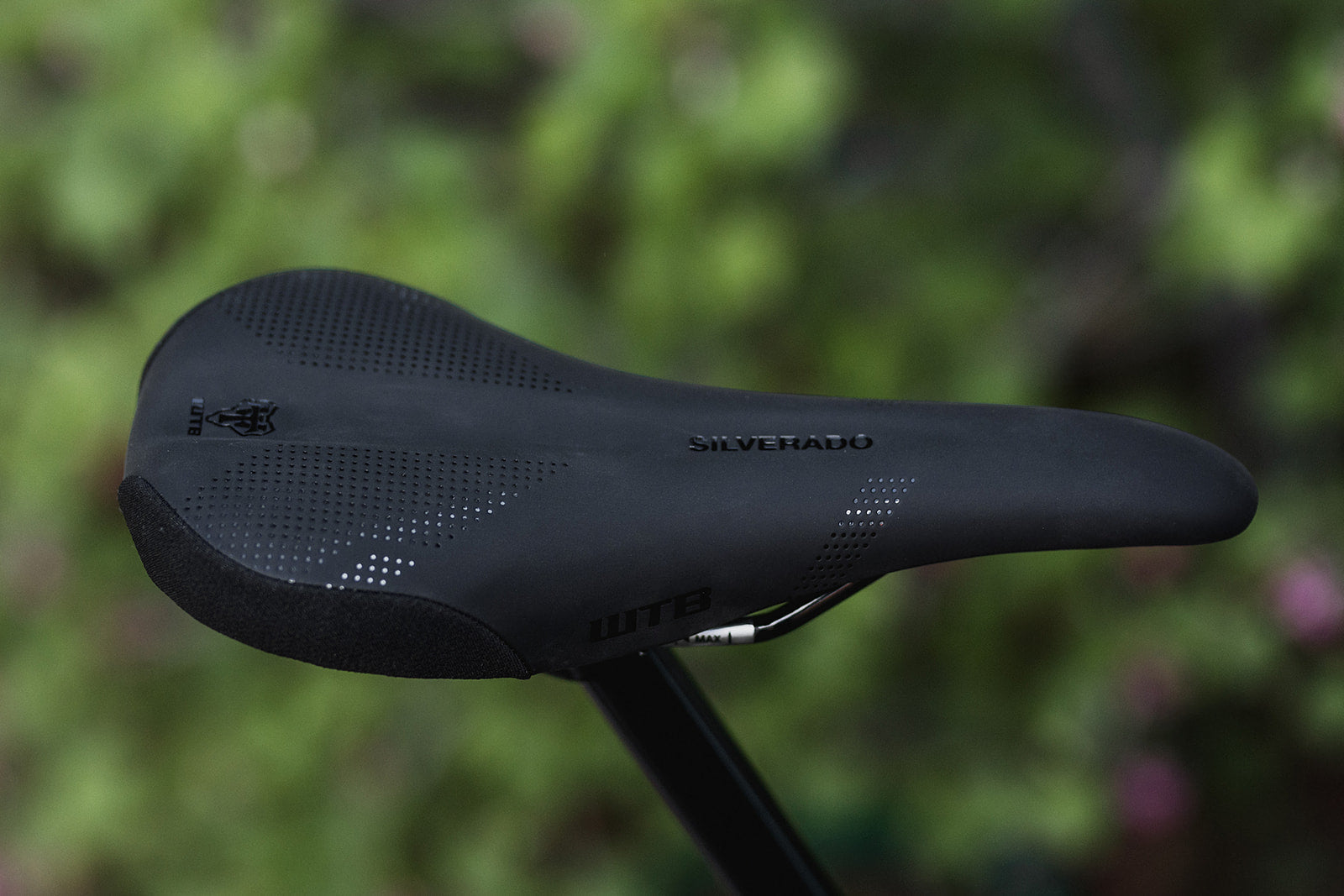
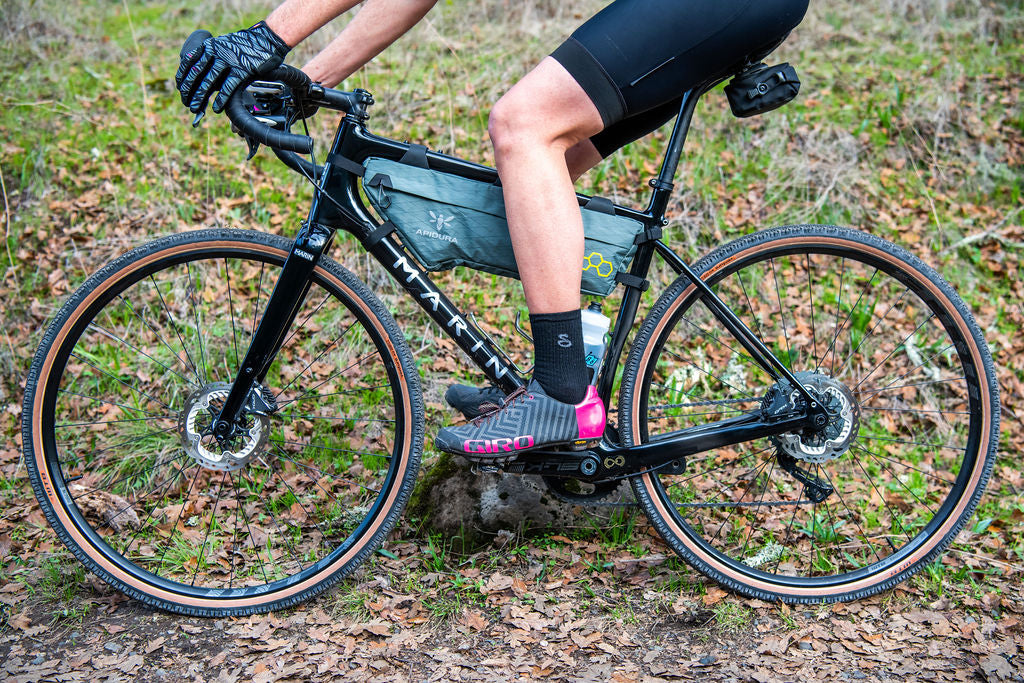




Why Your Saddle Hurts - And Why More Padding Won’t Fix It

Bike saddle pain has a way of turning a good ride into a countdown. One minute you’re settling into the route. The next, you’re shifting around, standing up every few pedal strokes, or wondering whether the long way home was a terrible idea.
Most riders know the feeling: numbness, pressure, hot spots, chafing, or that dull ache that shows up right when the ride should be getting good.
The easy answer is usually more padding. Softer saddle. Thicker chamois. Maybe even one of those big cushion covers that looks comfortable in the garage and feels less convincing once you’re actually pedaling.
Here’s the thing: more padding can help in the right situation. But if your saddle doesn’t match your body, your position, and the way you ride, the cushion is mostly just covering up the real problem.
At WTB, we’ve spent more than 40 years building components for real riders on real rides. Saddles have always been part of that story because they sit at one of the most important contact points on the bike. When they work, you forget about them. When they don’t, they’re all you can think about.
So, why does your saddle hurt? Most of the time, it comes down to support, pressure, and fit.
Saddle pain is usually a pressure problem
Saddle discomfort tends to happen when pressure lands where it shouldn’t. Your sit bones are designed to carry much of your weight on the bike. Softer tissue is not.
When your saddle is too narrow, too wide, too rounded, too soft, too flat, or simply the wrong shape for your position, your weight can shift away from the structure that should be supporting it. The result can feel like numbness, pinching, hot spots, chafing, or the constant need to scoot forward, slide back, or stand up just to reset.
That doesn’t mean you’re not tough enough. It doesn’t mean you just need to “break in” the saddle forever. A lot of the time, bike saddle pain is your body telling you something is off.
Your sit bones are the starting point
Your sit bones are the bony contact points at the bottom of your pelvis. They’re different from rider to rider, which is why your friend’s favorite saddle may feel like a medieval device to you.
If a saddle is too narrow for your sit-bone width, those bones may not be fully supported. If it’s too wide, the saddle can get in the way of your pedal stroke or create extra friction. The sweet spot is a saddle that gives your sit bones the support they need without interfering with the way you move.
That’s why saddle fit starts with your body, not the amount of foam sitting on top of the shell.
How you ride changes how you sit
A gravel rider tucked in for a long day doesn’t sit the same way as a mountain biker dropping into a technical descent. A commuter cruising upright doesn’t load the saddle like a road rider putting in tempo miles. An e-bike rider may spend more time seated than someone who’s constantly standing and moving around.
Your riding position changes your pelvic angle. Your pelvic angle changes where pressure shows up. Ride duration and intensity matter too, because a saddle that feels fine for 45 minutes can start telling a different story after two hours.
That’s why WTB’s Fit Right System doesn’t stop at width. It looks at what makes you unique and how you ride your bike, then uses those inputs to point you toward saddles that make sense for your body and your riding style.
Flexibility and stability matter more than most riders think
Saddle fit also has a lot to do with how your body holds its position on the bike.
A rider with more flexibility may rotate forward from the pelvis more easily. A rider with tighter hips or hamstrings may bend more through the back. Core stability also plays a role, especially as a ride gets longer and fatigue starts changing posture.
None of this is good or bad. It’s just information. Fit Right uses that information to help match the saddle to the rider instead of asking the rider to force themselves onto the wrong saddle.
How to start fixing saddle pain
Start with fit before you start adding padding.
Pay attention to what kind of discomfort you’re feeling. Numbness is different from sit-bone soreness. Chafing is different from pressure. A saddle that feels too soft may be creating movement. A saddle that feels too narrow may not be supporting your sit bones. A saddle that feels great on one bike may feel totally different on another.
From there, look at the big pieces: sit-bone width, riding position, ride length, ride intensity, flexibility, and stability. You don’t need to turn saddle shopping into a science project, but you do need more than a guess.
That’s where Fit Right comes in. Answer a few questions, add your sit-bone width, and get personalized saddle recommendations based on your body and how you ride.
Everyone deserves a favorite saddle
Saddle discomfort is common, but it shouldn’t be the reason you cut rides short or avoid longer days on the bike.
More padding might feel like the obvious fix. A better fit is usually the smarter one.
Find your fit with WTB’s Fit Right System and get matched with a saddle built around your body, your position, and your ride.
Designed for Riders at Every Level
Fit Right does not frame flexibility or stability limitations as barriers. Even top-level professional riders can have restricted mobility. The key is matching saddle design to the rider, not the other way around. By combining lab testing, rider data, and years of saddle development, WTB aims to make finding the right saddle more approachable, more precise, and less reliant on trial and error.
Available Now
WTB’s Fit Right System is live now at www.wtb.com/pages/fit-right-system along with additional resources on saddle setup and positioning.
About WTB
Founded in 1982, WTB was formed in Marin County, the birthplace of mountain biking, to design better bicycle products. Renowned for saddles, tires, rims and grips, this rider-driven company continues to push the boundaries of what’s possible through an unrelenting spirit of innovation and passion for two-wheeled adventure.