



200 Miles Is a Long Time to Be Uncomfortable. Get Your Saddle Right.

Most riders spend weeks dialing in tire choice for Unbound. They obsess over casing, width, and tread pattern. Then they bolt on whatever saddle came with the bike and call it done.
That’s backwards. A wrong tire choice might cost you time. A wrong saddle choice will end your race. Saddle pain at mile 80 doesn’t get better; it compounds, it alters your position, it drains the mental reserves you’ll need to finish. At 200 miles, your saddle is the single contact point you’ll spend the most time thinking about, whether you want to or not.
Here’s how to make sure you’re not thinking about it at all.
Why Unbound Makes Saddle Choice Harder Than a Normal Ride
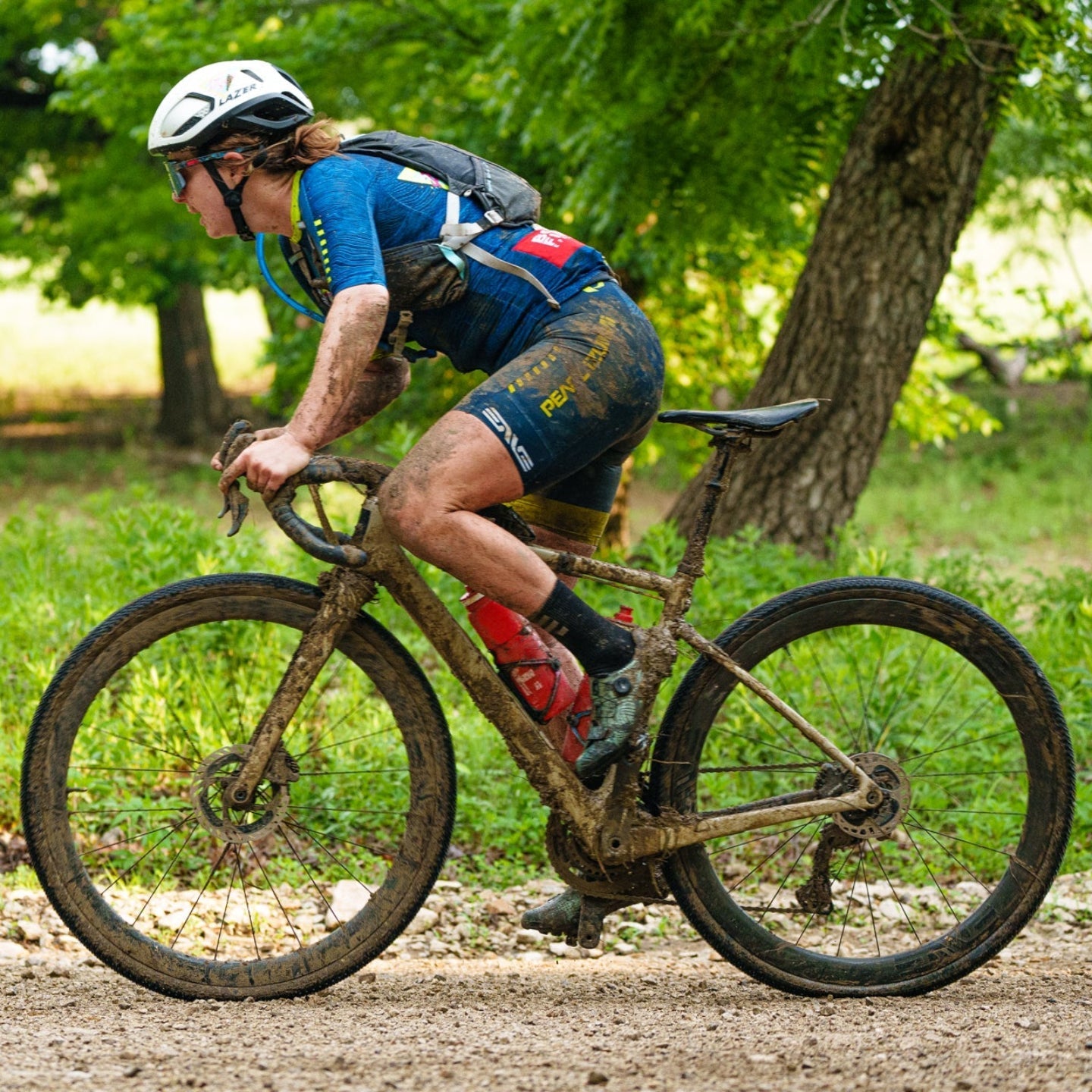
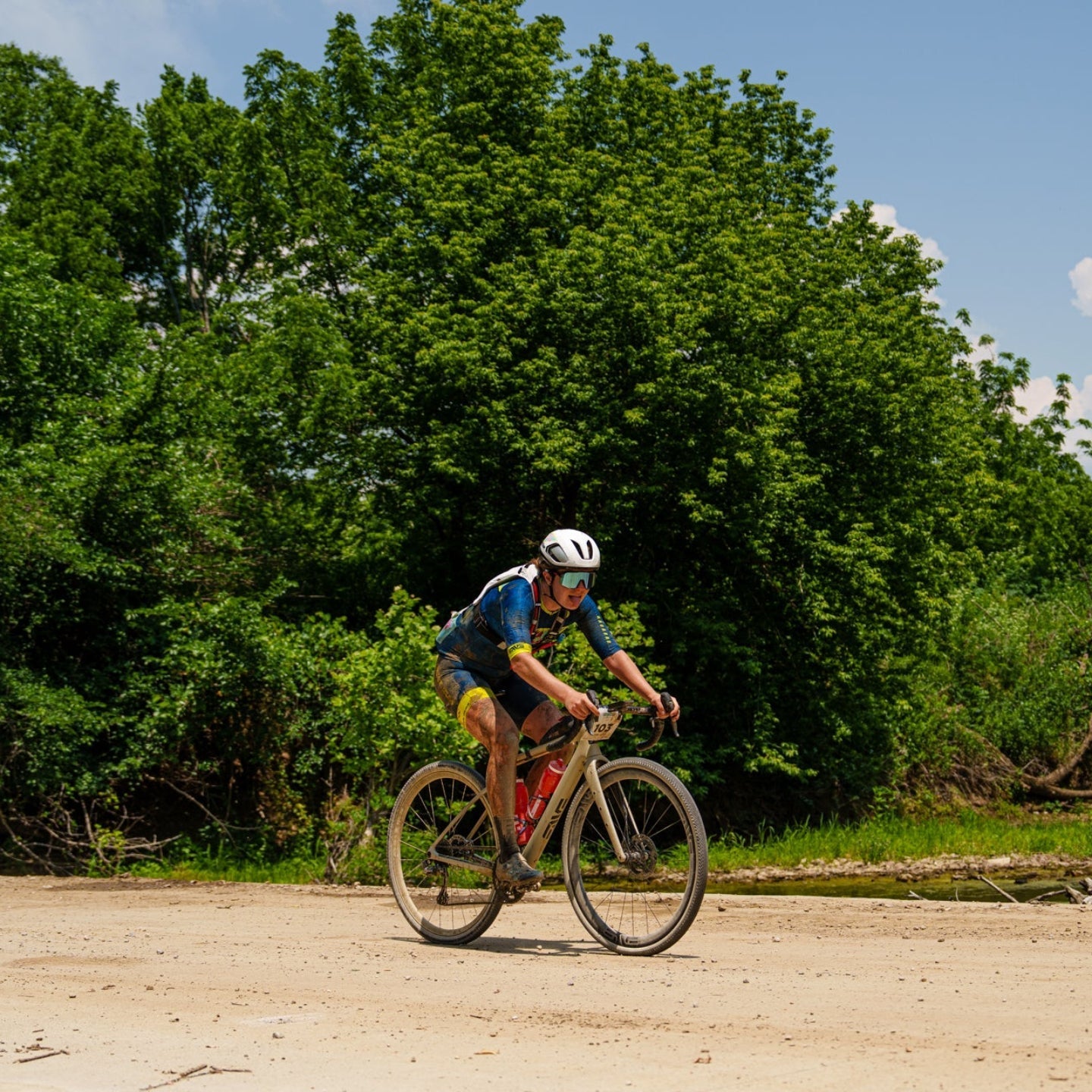
Unbound isn’t just long; it’s relentlessly long. The Flint Hills keep you working constantly. The sharp gravel sends vibration up through the bike. You’re in a forward-leaning position for hours, which rotates the pelvis forward and changes exactly how your sit bones contact the saddle. What felt fine on a 4-hour training ride may feel brutal by hour 10.
Three things make Unbound uniquely demanding on a saddle:
- Duration. Even the fastest 200-mile finishers are in the saddle for 9 or more hours. Most riders are there for 14 to 16. Every fit issue is magnified at that scale.
- Terrain vibration. The Flint Hills transmit a lot of chatter through the bike. Your saddle’s base material and flex profile matter as much as its shape.
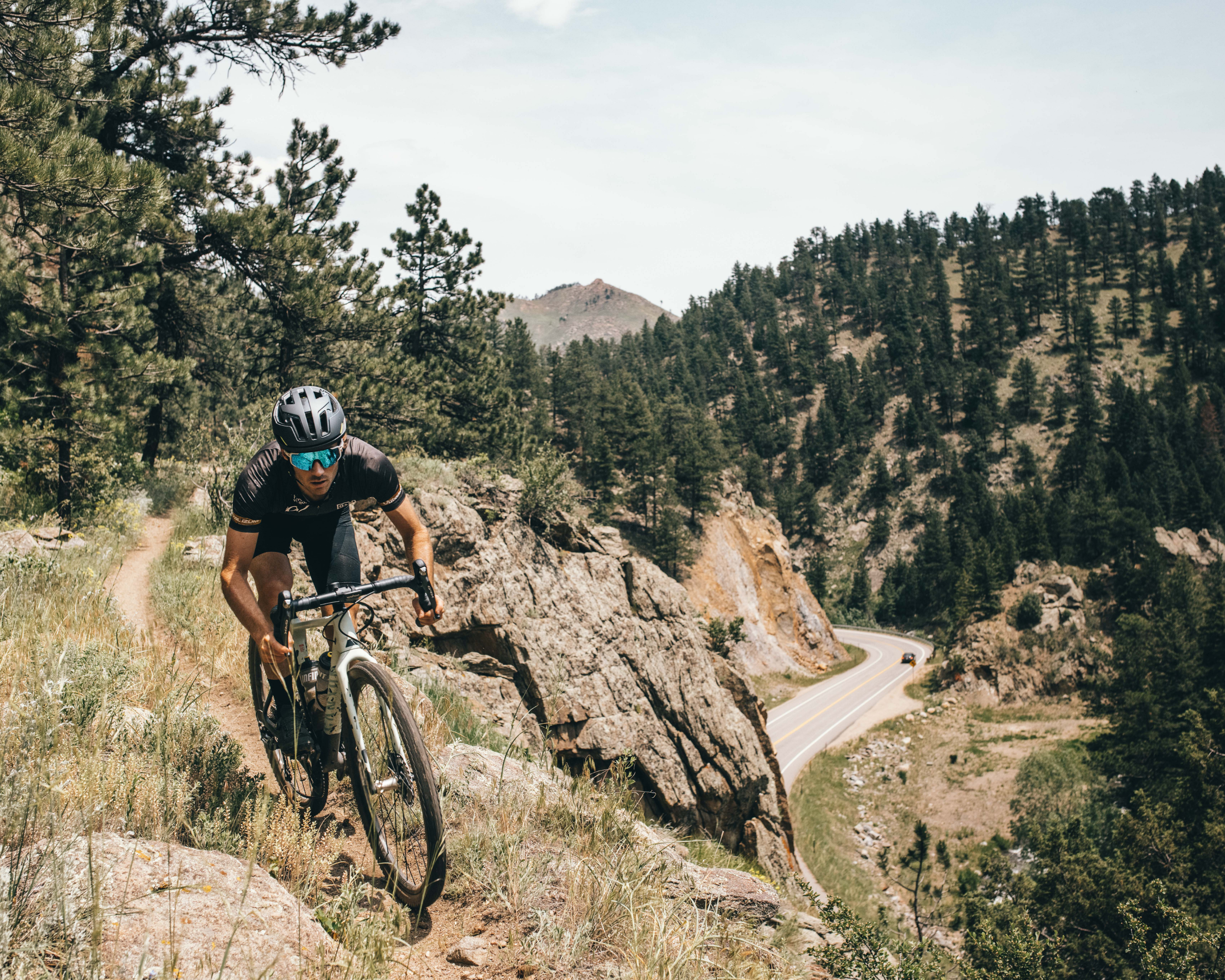
- Position lock-in. Gravel racing pushes you into a sustained, forward-leaning position that increases pressure on soft tissue in ways a casual ride never does.
You can compensate for a mediocre saddle on a short ride. You cannot compensate for it over 200 miles of Kansas flint.

The Fit Right System. How It Works, and Why It Matters.
WTB’s Fit Right System starts from a simple premise: saddle fit is personal, but it’s not random. There are measurable factors that predict which saddle will work for a given rider, and those factors go well beyond sit bone width alone.
Here’s what Fit Right actually accounts for:
Step 1. Measure your sit bone width. There are several ways to collect this measurement. The best way is to sit on a memory foam pad or pressure sensor that leaves indentations, then measure the distance between the center of the two indentations. Many bike shops have tools to take this measurement, or it can even be done at home with a piece of cardboard and a flat and firm surface.
Step 1. Measure your sit bone width. There are several ways to collect this measurement. The best way is to sit on a memory foam pad or pressure sensor that leaves indentations, then measure the distance between the center of the two indentations. Many bike shops have tools to take this measurement, or it can even be done at home with a piece of cardboard and a flat and firm surface.
Step 2. Riding position. How aggressively you’re positioned on the bike changes how your pelvis rotates and which part of the saddle bears your weight. A leisure position tips your pelvis back, putting more weight toward the rear of the saddle. An aggressive forward position rotates the pelvis forward, which shifts pressure toward the nose and soft tissue. Fit Right uses your riding style (leisure, performance, or aggressive) to factor this in, because the same sit bone width requires different saddle geometry depending on your position.
Step 3. Flexibility and core stability. How long you can hold a position before fatigue forces a postural compromise matters. Riders with less flexibility or core strength tend to slump over time, changing their contact point mid-ride. Fit Right accounts for this so the recommendation holds up not just at mile 10, but at mile 150.
Step 4. Duration, intensity, and padding preference. A saddle that works for a hard 2-hour effort may not work for a 16-hour sufferfest. Longer, lower-intensity efforts tend to benefit from more support and padding. Shorter, harder efforts can get away with firmer, more race-focused options. Fit Right factors in how you’re actually going to use the saddle before making a recommendation.
The result is a saddle recommendation matched to your body, your position, and your intended use. Not a guess. Not a one-size-fits-most default. A recommendation built on the actual variables that determine comfort.
Run your Fit Right assessment at wtb.com before the race. It takes five minutes and it’s free.
The WTB Unbound Saddle Lineup. Built for Every Body, Every Position.
Gravelier. The saddle built for exactly this race.
If there’s one saddle in the WTB lineup that was designed with Unbound in mind, it’s the Gravelier. WTB’s first gravel-specific saddle was built for riders who spend long hours in a forward-leaning, performance-oriented position: which is every Unbound rider who wants to finish strong.
The Gravelier’s tip-to-tail curve cradles the pelvis and creates a locked-in feel that prevents you from constantly fighting to stay in position over rough terrain. The perineal relief cutout was placed and sized using pressure-mapping data collected from gravel riders in exactly the kind of sustained, hip-forward position Unbound demands. At 246mm, it’s shorter than most saddles, which keeps pressure off the nose without sacrificing support. The extended rail clamp range means you can fine-tune fore-aft position across a wider window than most saddles allow. And the Fusion Form base is tuned specifically for gravel: supportive enough to optimize power transfer under hard efforts, with enough flex to absorb the constant chatter coming up through the bike.
It also has an integrated tool mount on the underside, which is a small but real convenience on a 200-mile race.
Best for:
- Riders in an aggressive or performance-forward position
- Anyone prone to soft tissue numbness on long rides
- Medium sit bone width (110-125mm range)
- Riders who want a saddle purpose-built for gravel racing
Sizes:
- 140mm (medium)
Rails:
- Chromoly, stainless, titanium, carbon
Silverado. Slim, fast, and trusted for decades.
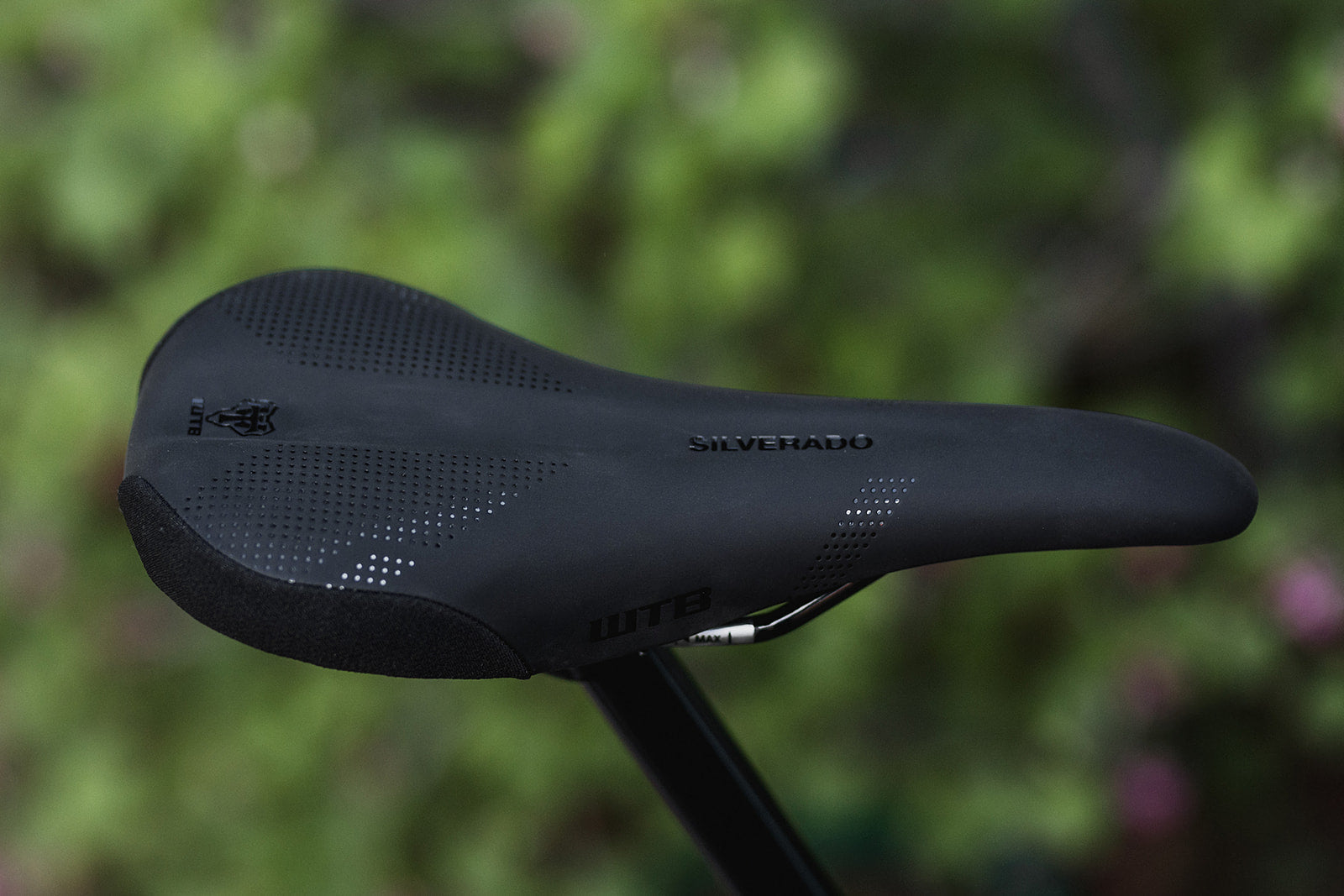
The Silverado has been on more gravel and mountain bikes than just about any other saddle WTB makes, and for good reason. It’s light, slim, and designed for efficiency in a forward-leaning pedaling position, which makes it a natural fit for Unbound-style racing. The long, tapered nose gives you ample real estate for shifting positions over a long day, and the optimized padding-to-weight ratio is exactly what riders with narrower sit bones and a race-focused mindset tend to prefer.
The updated Silverado brings Fusion Form base technology to an iconic shape: a stiffer, more supportive flex profile tuned for riders who spend most of their time driving power forward, not sitting up. If you’ve ridden a Silverado before, the feel is familiar but improved. If you haven’t, it’s one of the most universally praised saddle shapes in the sport for a reason.
Best for:
- Narrow to medium sit bones (69-130mm range)
- Riders who prioritize efficiency and a minimalist feel
- Experienced gravel racers who know their position
- Adventure road, gravel, cross country, trail use
Sizes:
- Narrow (135mm), Medium (142mm)
Rails:
- Chromoly, stainless, titanium, carbon
Volt. The most trusted saddle we make, for good reason.
The Volt is WTB’s most popular saddle, full stop. It’s been on over a million bikes, and its reputation for out-of-the-box comfort across a wide range of riders makes it the most versatile option in the lineup. The slight tail flare helps center you in the power position and keeps you from sliding back when grinding out long climbs. The Love Channel center groove and Comfort Zone cutout provide soft tissue relief without the full perineal cutout of the Gravelier.
The updated Volt carries Fusion Form technology with a softer flex profile than the Silverado or Gravelier, tuned for riders who aren’t locked into the most aggressive forward position all day. If your Unbound race plan involves managing pace, sitting up periodically, and conserving for the long haul, the Volt’s forgiving character rewards that approach. It’s also the most common answer to "what saddle should I start with" precisely because it tends to work for so many riders on the first try.
Best for:
- Good for all widths - comes in Narrow, Medium, and Wide
- Riders who vary position throughout a long effort
- First-time Unbound riders who want a proven, low-risk choice
- Mountain bike, gravel, and cross country use
Sizes:
- Narrow (135mm), Medium (142mm), Wide (142mm)
Rails:
- Chromoly, stainless, titanium, carbon
How to Match Your Fit Right Result to Your Race.
Once you’ve run your Fit Right assessment, use this as a quick reference for Unbound-specific guidance:
|
Your Rider Profile |
Recommended Saddle |
Why It Works for Unbound |
|---|---|---|
|
Aggressive racer, forward position, narrow-to-medium sit bones |
Silverado or Gravelier |
Slim, efficient; Gravelier adds gravel-specific cutout and locked-in support |
|
Performance rider, all-day comfort priority |
Volt or Gravelier |
Volt’s slight tail flare and Love Channel; Gravelier’s forward-lean cradle |
|
First-timer or rider prone to numbness, all widths of sit bones |
Volt |
Multiple widths and Love Channel protect against the long miles |
|
Any rider wanting relief on long, low-position efforts |
Gravelier |
Perineal cutout designed for exactly this: hours in a forward-leaning gravel position |
The Bottom Line
There’s no wrong saddle if it’s the right saddle for your body. There are only riders who found that out at mile 50 instead of before the race.
Run your Fit Right System assessment. Match the result to your position and your race goals. Break it in properly. Then show up to the Flint Hills with one less thing to worry about.
Your legs have enough work to do.
Available Now
About WTB
Founded in 1982, WTB was formed in Marin County, the birthplace of mountain biking, to design better bicycle products. Renowned for saddles, tires, rims and grips, this rider-driven company continues to push the boundaries of what’s possible through an unrelenting spirit of innovation and passion for two-wheeled adventure.